Table of Content
Lastly, make sure your rabbit gets plenty of exercise, they should have at the very least 4 hours of free-roaming per day. Our rabbit, Link is out from 6 am to Midnight every day, now he is in a routine he puts himself to bed or sleeps in our bedroom doorway. Some buns have seen a full recovery within 24 hours, it really depends on how quickly it is caught, the age of your rabbit, and if they have any other health issues.
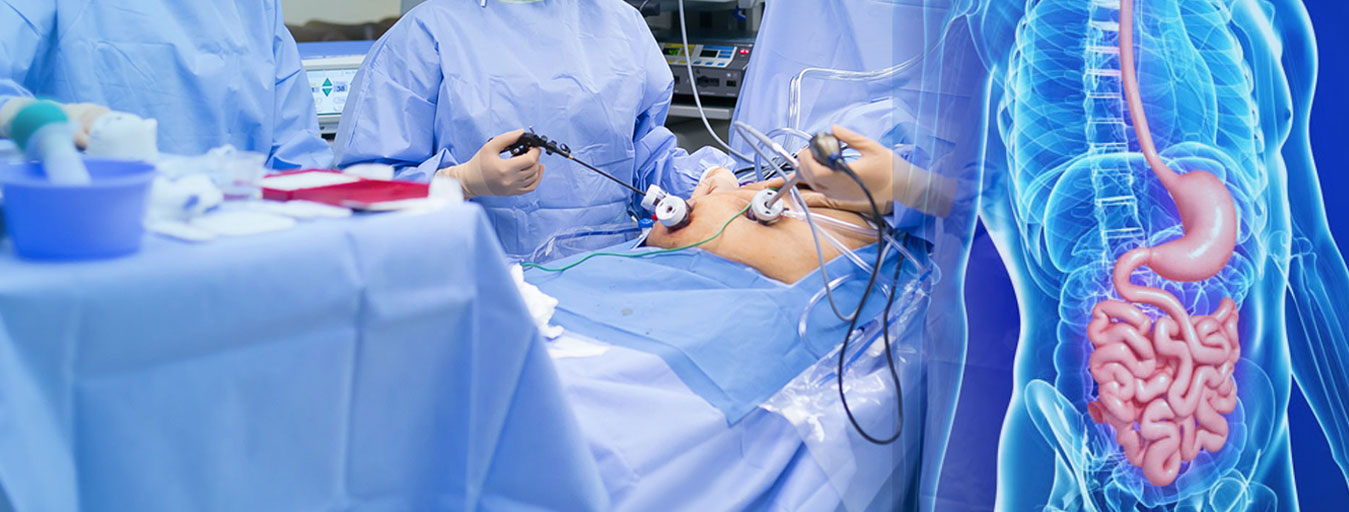
Be certain that all postoperative patients are eating and passing feces prior to release. Allow small herbivores sufficient daily exercise, and prevent obesity. Minimize changes in the daily routine that might cause stress in small herbivores, and avoid sudden changes the diet. Be certain that clean water is available at all times, and is presented in a familiar manner (sipper vs. bowl). One very serious, fairly common health issue pet rabbits face is gastrointestinal stasis. GI stasis is a potentially deadly condition in which the digestive system slows down or stops completely.
Similar articles in PubMed
It doesn’t take much time from when you notice changes in diet or behavior for a rabbit’s condition to deteriorate dramatically. Gastrointestinal “stasis” is the common terminology for any disorder that causing a decrease in the contractions in the gastrointestinal tract (the “gut”). Although “stasis” is the accepted common terminology, the word stasis really means that there is little to no movement in the GI tract. In guinea pigs, any decrease in intestinal motility can lead to severe life-threatening complications. Some rabbits get GI upset when they are eating too much carbohydrate (e.g., pellets) and not enough fiber (e.g., hay). Regardless of why they stop eating initially, rabbits that do not eat undergo a pH change in their GI tracts that favors the growth of gas-producing bacteria.
Rabbits poo around 300 times a day, and it’s important that you get to grips with your rabbit’s pooing routine. Symptoms of GI stasis include very little fecal pellets, or fecal matter that clings to the bunny’s bottom. In many cases, very small fecal pellets will be wrapped in clear or yellowish mucus.
Featured Articles
This also encourages the proper wear of their teeth, thus preventing unpleasant spurs and overgrowths. Your veterinarian will have determined if your rabbit has an obstruction (e.g., hairball) with earlier diagnostic testing.Prokinetics may not work immediately. It may take a few weeks for gut motility to return to normal with prokinetics.

GI stasis in rabbits is a condition that occurs when the digestive system of your rabbit has stopped working. The result is that bacteria and gas can start to build up inside of your bunny. As you can see, treating GI stasis in rabbits is intensive and extensive.
How do rabbits get GI stasis?
If there is fecal matter stuck in the anus, use tweezers to gently pull it out. Please be careful not to force a separation, which can tear her anal skin. Use the warm compress over and over until you are able to dislodge the fecal matter easily. During this period of time, your rabbit should be surrounded by an unlimited supply of hay and vegetables in case they do get hungry.
This is a sign that something is seriously wrong, and you need to take them to a vet as soon as you can. Keeping your rabbit at a healthy weight can also prevent GI stasis. Enriching your rabbit’s environment with different toys and digging material can keep him busy and help him feel less stressed when you are not around to play with him.
Treating GI Stasis in Rabbits
In the absence of apparent signs of GI stasis in rabbits, consider first any environmental changes you may have made that might cause stress in your rabbit. Fix these by reversing whatever you changed; then see if your rabbit will eat a treat or some food. If your rabbit ceases eating or pooping for 12 hours or more, the condition is an emergency. In fact, refraining from eating for a few hours is significantly dangerous, so don’t hesitate to seek veterinary help if you notice any change in your bunny’s eating habits. Gastrointestinal stasis is a very common condition in guinea pigs. In fact, it is one of the most common reasons guinea pigs go to veterinarian and veterinary emergency clinics.
Feeding cereal products and foods high in simple carbohydrates further increases the risk. Your piggie can display a variety of GI stasis in guinea pigs symptoms. Here are some others to look for, but you should contact your trusted exotic vet immediately at the first sign of illness. Unfortunately, exotic animals' medical conditions can go downhill fast. GI stasis will occur anytime a guinea pig stops eating, for any reason. Anything that causes your pet to not eat, such a dental disease, stress or pain, will cause GI stasis.
The gastrointestinal tract of rabbits is very sensitive and responds acutely to any disease process within the body. Remember; GI stasis in rabbits can be a fatal condition, however, it doesn’t need to be fatal. If you spot any of the issues that we highlighted before, then take your bunny to the vet as soon as you can. Not only does it help to whittle your bunny’s teeth down over time, but the hay is vital for providing them with the fiber that they need. Nine times out of ten, if your rabbit is diagnosed with GI stasis, it is because they simply do not have enough hay in their diet.
Signs of pain include bruxism, haunched posture, failure to groom, and reluctance to move. Affected animals may stretch out or roll in an attempt to relieve pain. Intrapyloric botulinum injections have been demonstrated to improve symptoms in patients that are refractory to the above medical therapies. The effects of the botulinum injections last for about 3 to 6 months.
Stress or pain are two of the most common causes of gut stasis. Hormones released in these situations inhibit gut function and cause the digestive system to shut down. Regular veterinary visits may be costly, but may actually be inexpensive compared to the cost of treating GI stasis. Your rabbit will need to be fed frequently to prevent complications from anorexia, restore nutrients, and stimulate gut motility. Anorexia can cause serious health problems in rabbits , even after just 12 hours of not eating. Fiber helps move food through the GI tract, so your rabbit may become desperate to eat anything to get more fiber in his digestive system.
GI stasis is a very serious medical condition in rabbits and requires immediate veterinary care. Rabbits, guinea pigs, and chinchillas should receive an annual to semiannual complete physical exam. Weight the animal at every opportunity, and encourage owners to check weight monthly.
IV catheters can be placed in any site normally used for venipuncture, but the cephalic and saphenous veins are the most practical. In an emergency or when peripheral veins are collapsed, fluids can be administered intraosseously. Provide additional fluid support orally with oral electrolyte solutions such as Rebound OES or Pedialyte at ml/kg q 8 hrs. Fluids are continued and then gradually reduced until urine output and drinking return to normal.


No comments:
Post a Comment